
We’re halfway through the year already! Can you believe it? If ever there was a time to reflect, it’s now. How far are you from meeting your business goals? Is your e-commerce marketing strategy supporting your business goals? Do you even have a strategy?
Competition is stiff out there. There are more online shops now more than ever. And with the pandemic forcing the world to shut down, we saw more products move online as a way to survive. So you have to do more to get noticed and get customers to your website.
Maybe you’ve been running your online shop for a while now and are looking for ways to increase your conversion rate. Or you’re still in the planning stages and conducting research on what will work best for you. Either way, you’re in the right place. Today’s blog gives tips on how to improve your e-commerce website to not only attract more traffic, but to also increase sales. So read on…
What Is E-Commerce Marketing?
E-commerce marketing is the process of driving traffic to your online store to increase sales. A sound strategy can help you build brand awareness, increase online sales and create a loyal customer base.
Remember, a customer who first becomes aware of your product is not likely to buy right away. Read our blog on how to target every stage of the sales funnel.
15 Must-Haves On Your E-Commerce Website
We cannot possibly cover all the ways you can improve your online store. We chose these 15 as we consider them to be the basics to have on your website.
1. Mobile Responsive
What exactly does mobile responsive mean?
It means your website is adapting to the size of the screen you are viewing it on. It means not having to scroll side to side when you’re viewing on your mobile phone. The content shrinks to fit the device. It means designing your online store with your mobile visitors in mind. Considering the number of mobile devices out there, if your website is not mobile ready you’re losing money.
2. Security Features
If I’m going to hand over my credit card details on your online store, I need to make sure that my information is safe and secure. Have your security policy posted on your site where it can easily be seen. Remember that an unhappy customer is bad for business.
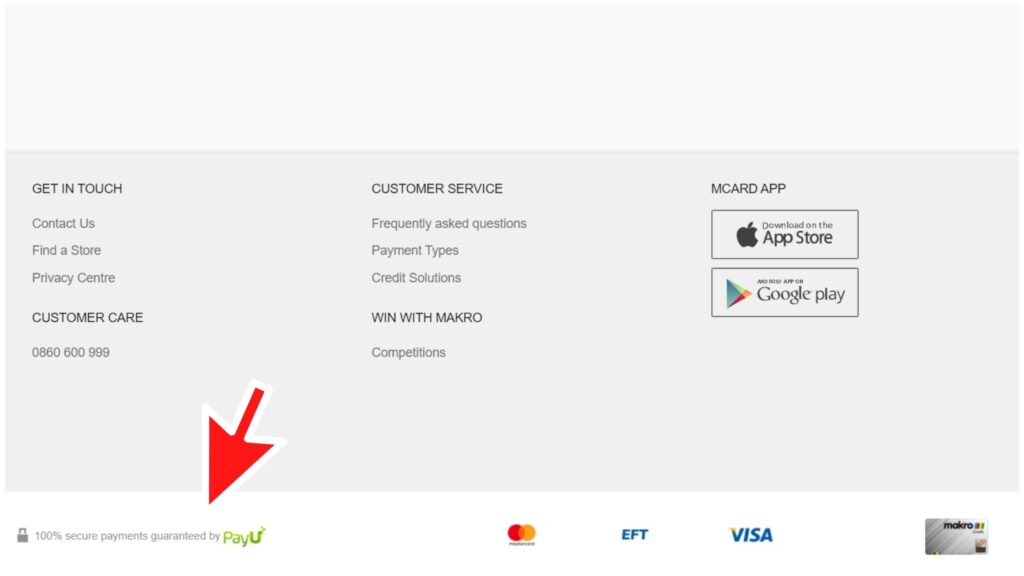
Look at the Makro website above. Their security policy is on their website for everyone to see.
3. User Friendly
Make it easy for your customers to navigate your online store. If they can’t find what they’re looking for, they will leave your site and go somewhere else.
Choose the right balance between text and images. Don’t put too much product on one page. And is your text too small or too big? If you’re selling more than one type of product, then have product categories to group the same products together.

If you’re using Shopify or WordPress, choose a theme that is user friendly. Remember that is is never too late to change your website.
4. Site Speed
Images and video make a site easier to navigate. But they can also slow down your online store loading speed, which is bad for business. A slow site will also impact your search engine optimization.
Optimize your images to help your site load faster. Also use lazy loading – content only loads when a user scrolls down the page. This speeds up your site as content loads only when needed.
5. User Generated Content
In other words, client testimonials. These are pictures or videos of your customers using your product and telling others how much they love it. It’s free publicity.
If you don’t already have this content, ask for it. You might be surprised by the positive response. Run a competition or campaign. Incentivize your customers to make the content.
6. Leverage Video
If you sell books on your website, video is probably not going to boost sales. But if you sell equipment or the type of products that come with instructions, video can make a huge difference. You can demonstrate the benefit of the product, how to use it, etc.
7. Delivery Options
Delivery or pick up? Give your customers the option. If you sell low priced items like tea or candles, it might not make financial sense to order one item and then pay for delivery. If you have a physical store or warehouse, offer the option to pick up. Don’t give your customers a reason to abandon their shopping carts for lack of options.
8. Related Items
If I buy a table from your furniture store, you can suggest matching chairs. As a fashion designer, you can suggest jerseys or shoes that match nicely with the dress I’m buying. The trick is to be helpful.
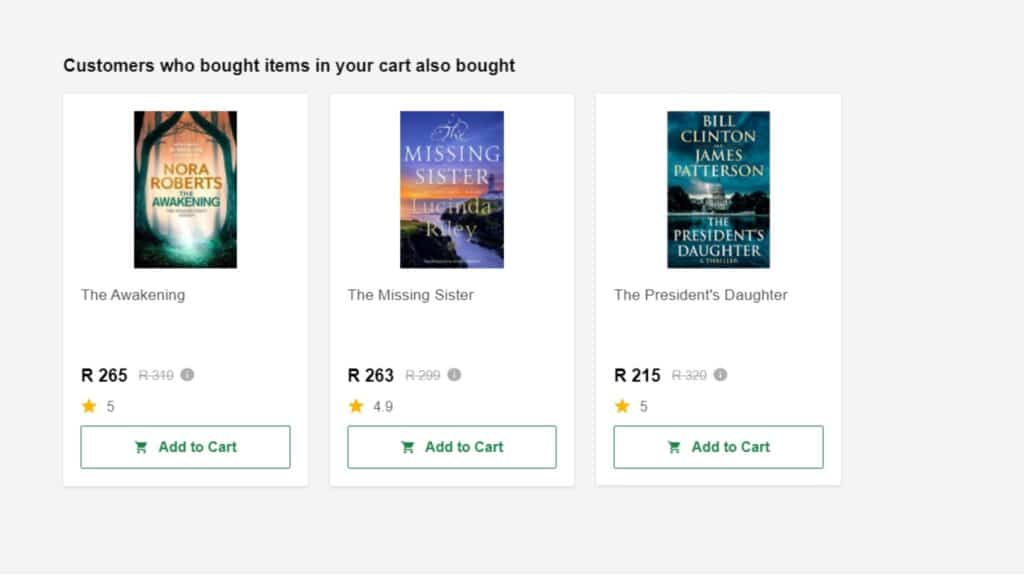
So suggest related items to entice me to buy more. Like I said, the point of e-commerce marketing is to increase online sales.
9. Refund and Returns Policy
Don’t make me jump through hoops when I’m not happy with my purchase. If your refund and returns policy is complicated, clearly state that on your website. Let me know upfront what I’m getting myself into. And if you were able to deliver to me in some obscure corner of the world, you should be able to send a delivery to pick up the item I want to return.
10. Payment Options
Snapscan, credit card, EFT, eBucks… the list is endless. Give me an option. If I like your furniture but don’t have a credit card, then I can’t buy from your store if your only form of payment is credit card.
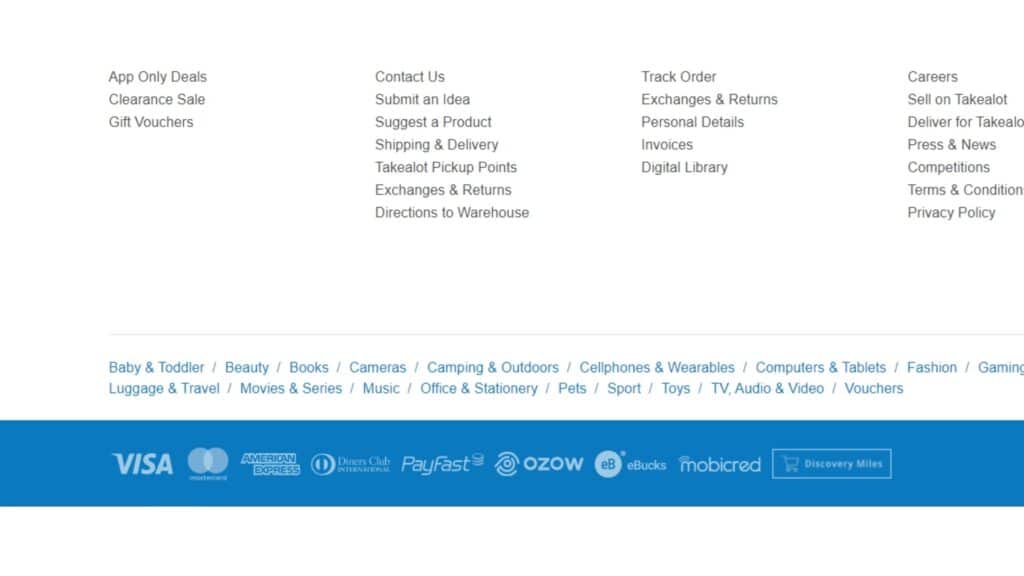
Like I said, don’t give your customers a reason to abandon their carts and leave your website.
11. Wish List
A wish list gives you valuable insight into which products are popular with the consumer. It is a gold mine of information.
Follow up with a great e-mail marketing campaign to convince them to go back to your store. You can take this opportunity to upsell by suggesting related products. Personalizing your emails to the client so that they know you’re speaking to them. Have an item going on sale or running out? Perfect time to send an email reminder.
12. Use Chatbots
You can’t be available to answer questions on your online store 24/7. That’s where a chatbot comes in.
A chatbot can be the first point of contact with your client, so it can make a break that relationship. Being available to answer questions around the clock can make shopping easier. These friendly bots can influence purchases, be your customer service department and let your customers know when inventory is running low.
13. Embrace Personalization
Automation can save you lots of time, but it must still feel personal.
Sending automatic emails for abandoned carts and wish lists is a must, but the emails must still be specific to the customer.
14. Make Shopping Social
With over half a billion users daily, Instagram is hard to ignore. But you have to do more than post a few pictures to get noticed.
Instagram allows you to set up a store where people can buy directly. Facebook has the same feature. But like I said, posting product pictures might not be enough. Run campaigns and competitions. Add products to your Instagram stories. Leverage video and create behind the scenes and product development videos.
15. Reduce Abandoned Carts
You’re losing money every time a consumer abandons their cart!
The first thing to do is to figure out why people are abandoning their carts. Are your call to action buttons difficult to find? Do you have inflexible payment methods or not enough delivery options?
Send follow up emails reminding customers to complete the purchase. You can also take the opportunity to upsell or to conduct a survey and find out why the cart was abandoned in the first place. This information can help you make improvements on your site.
It’s A Wrapp!
E-commerce marketing is essential for your online store. You can use these tactics to drive traffic both for your online and physical store.
How can we help?
- E-commerce Strategy – Let us help you put together a strategy that supports your business goals.
- Website Review – Is your website losing you clients? We can help you re-design your e-commerce website to be user friendly and make you money.
- Social Media Marketing – Instagram shop, marketing campaigns and promotions. We can set this up for you and post monthly on your behalf.
Give us a call or send us an email. We look forward to hearing from you!
